 RockVine Games
Our Story
RockVine Games is an independent studio shaped by a lifelong passion for games, storytelling, and music.
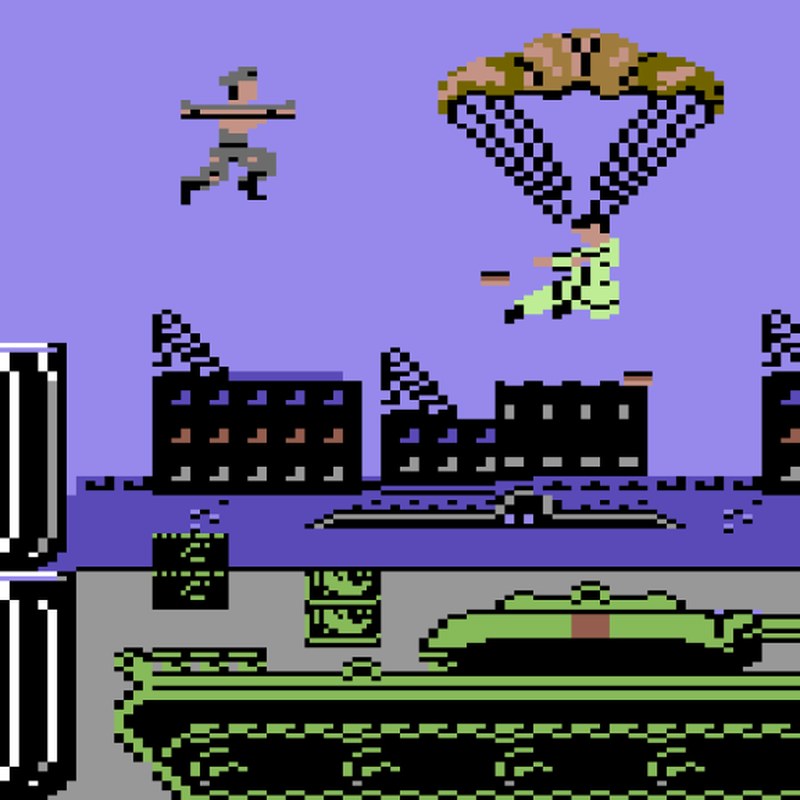
Our roots go back to the 1980s, growing up with the Commodore 64 — a time when imagination filled the gaps between pixels. We spent countless hours playing classics like Green Beret, Commando, Pirates, Aztec Challenge and Detective, experiences that defined our early connection to games not just as entertainment, but as worlds to get lost in.
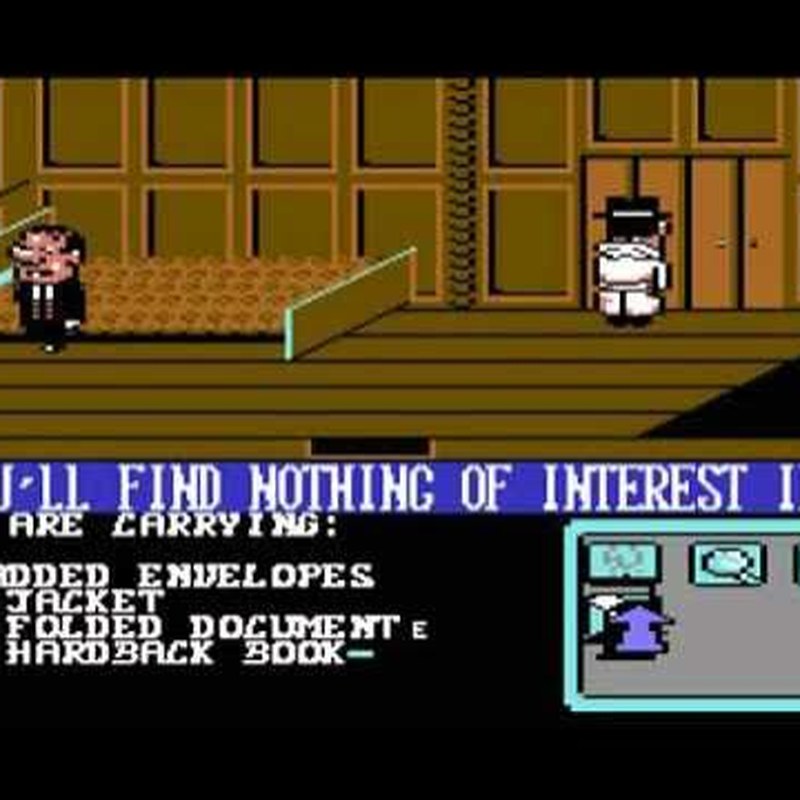
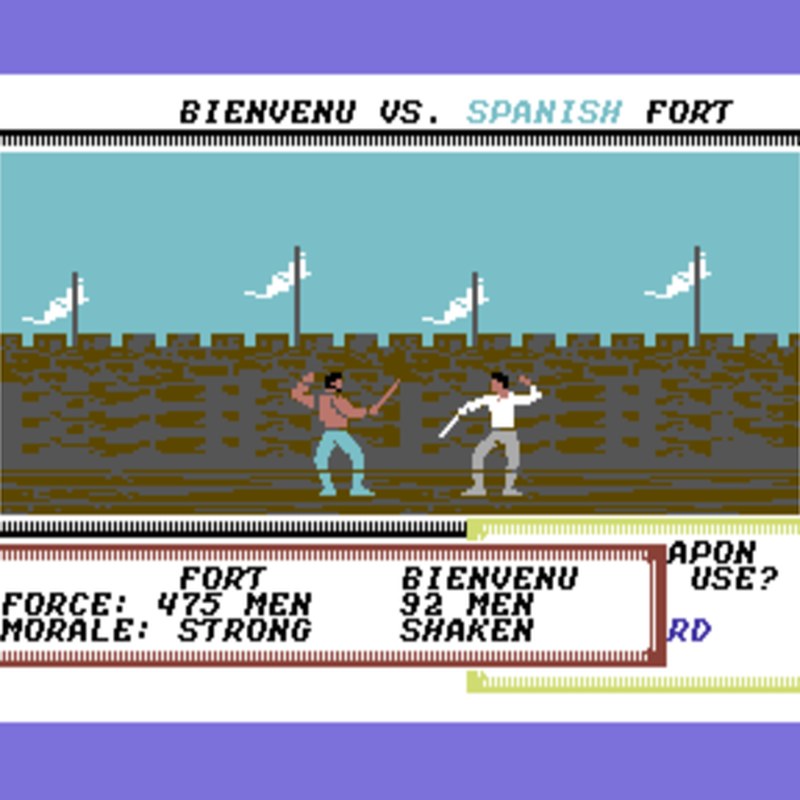
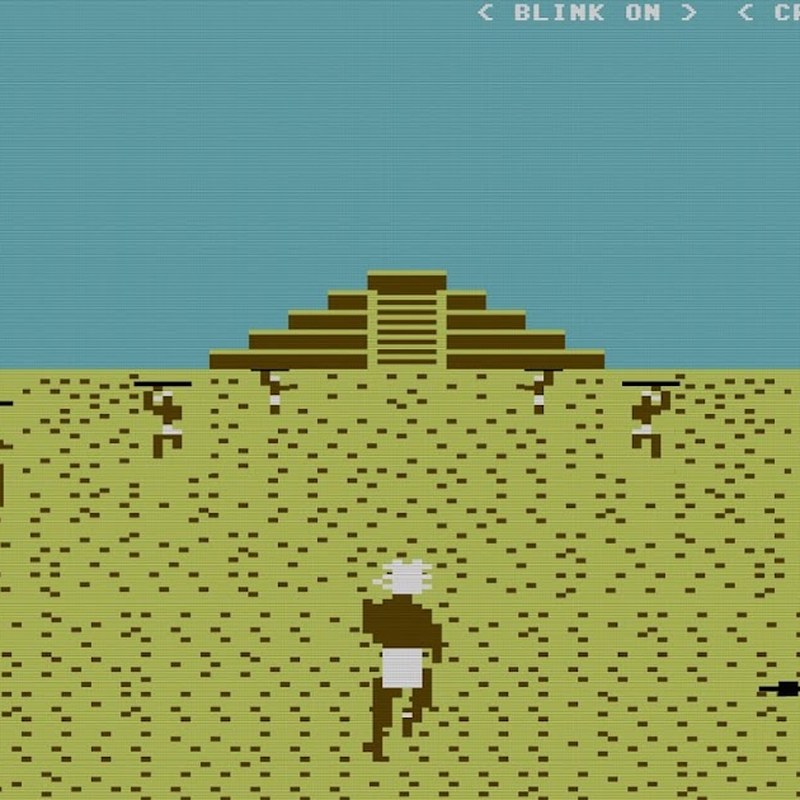
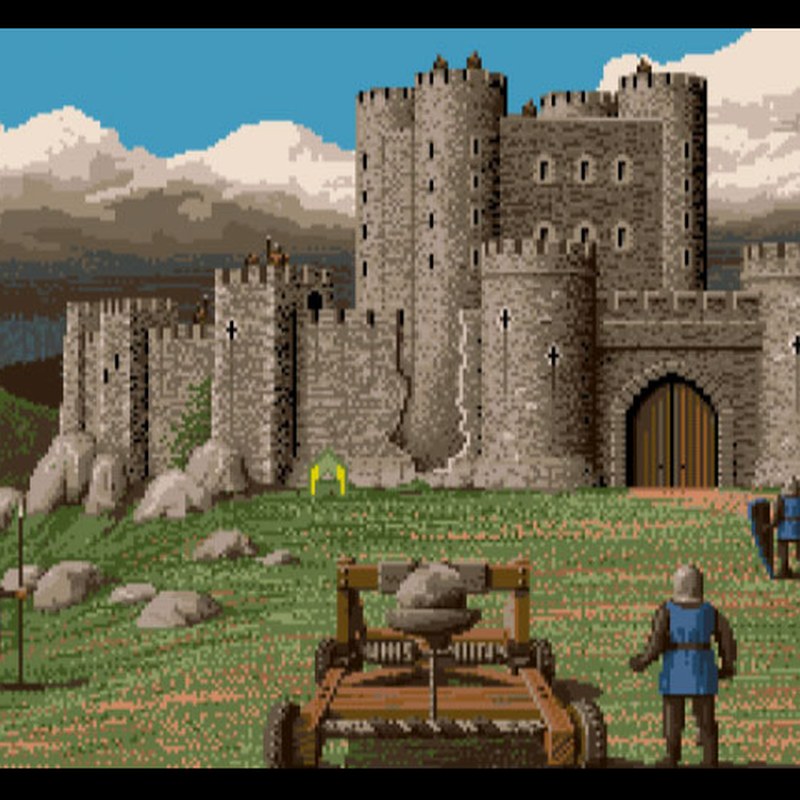
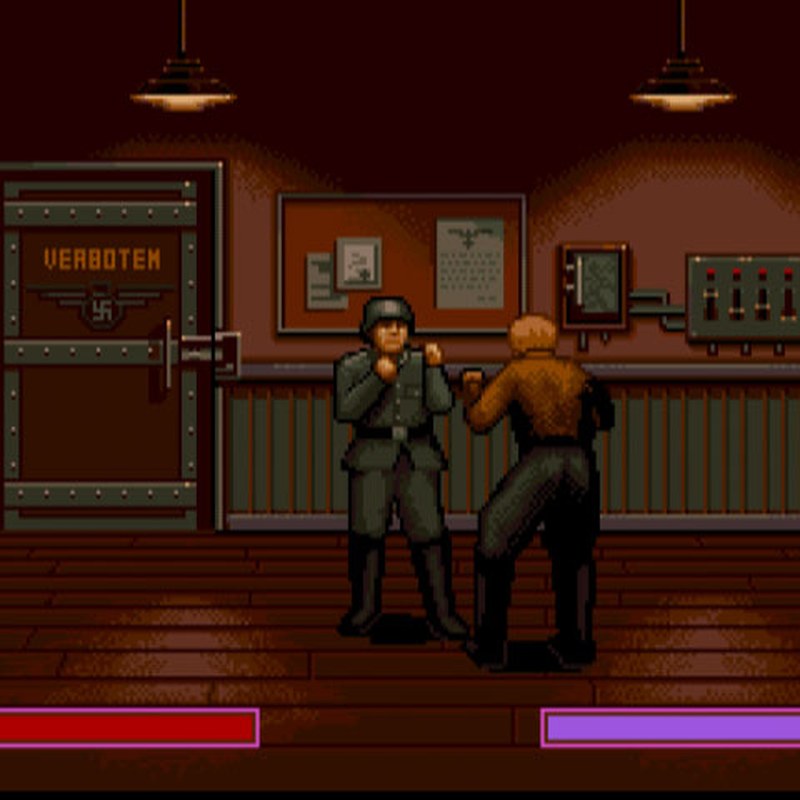
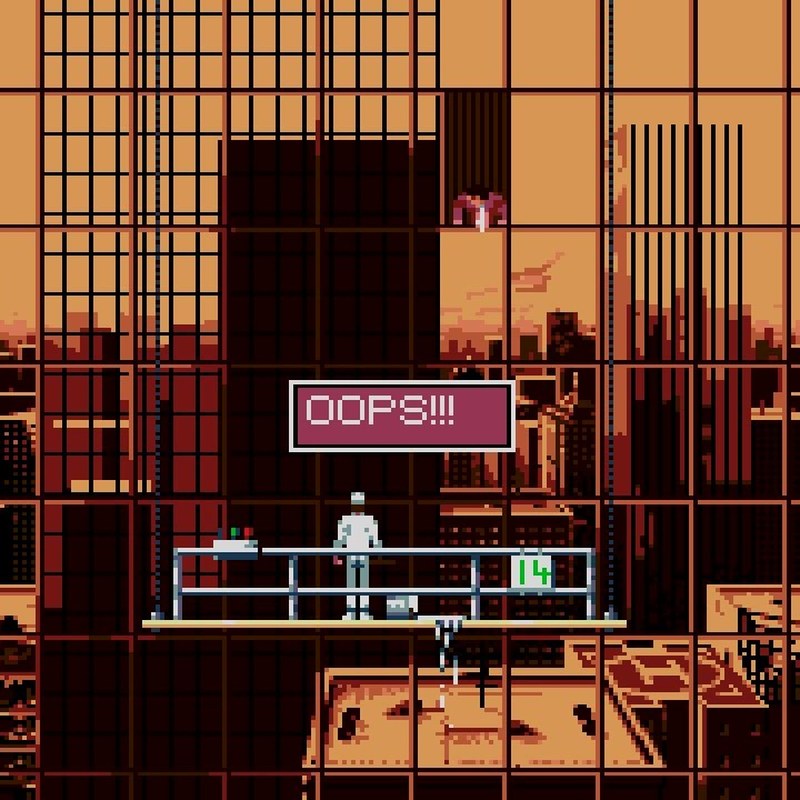
That journey continued into the 1990s with the Commodore Amiga, where games became richer, more cinematic, and more ambitious. Titles like Defender of the Crown, alongside other Cinemaware productions and the groundbreaking work of Delphine Software titles such as Future Wars and Cruise for a Corpse marked a turning point.
This era showed us that games could tell stories, create atmosphere, and evoke emotion in ways we hadn’t experienced before.
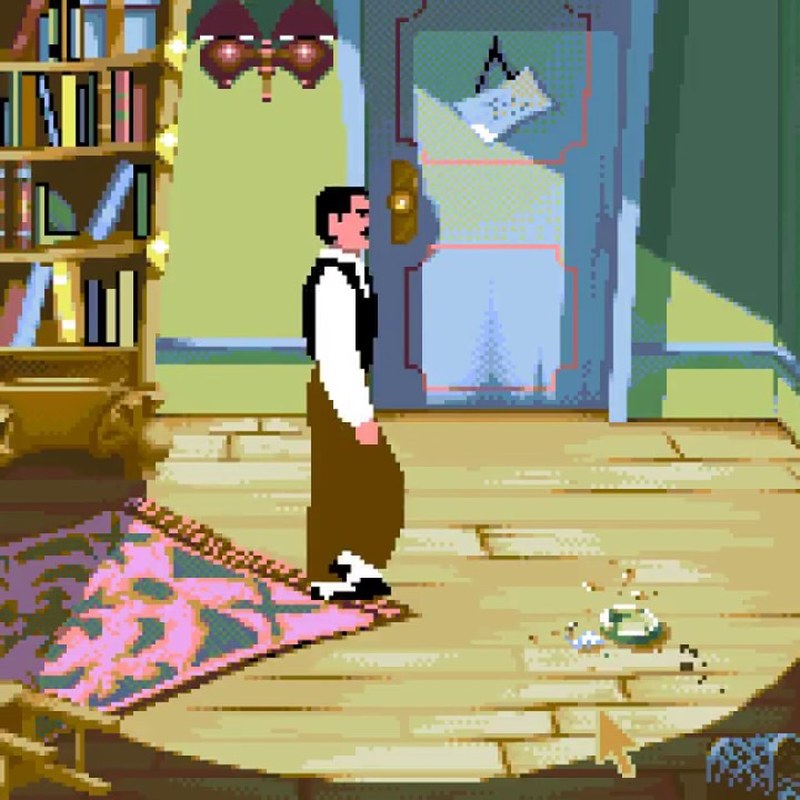
The influence of LucasArts & Sierra Online adventures — including Maniac Mansion, Monkey Island, and the Indiana Jones series — solidified our passion for narrative-driven gameplay… and who could forget Beneath a Steel Sky and Broken Sword series, brought to life with the distinctive art of Revolution Software.
These games didn’t just challenge players, they invited them to think, explore, and become part of the story.
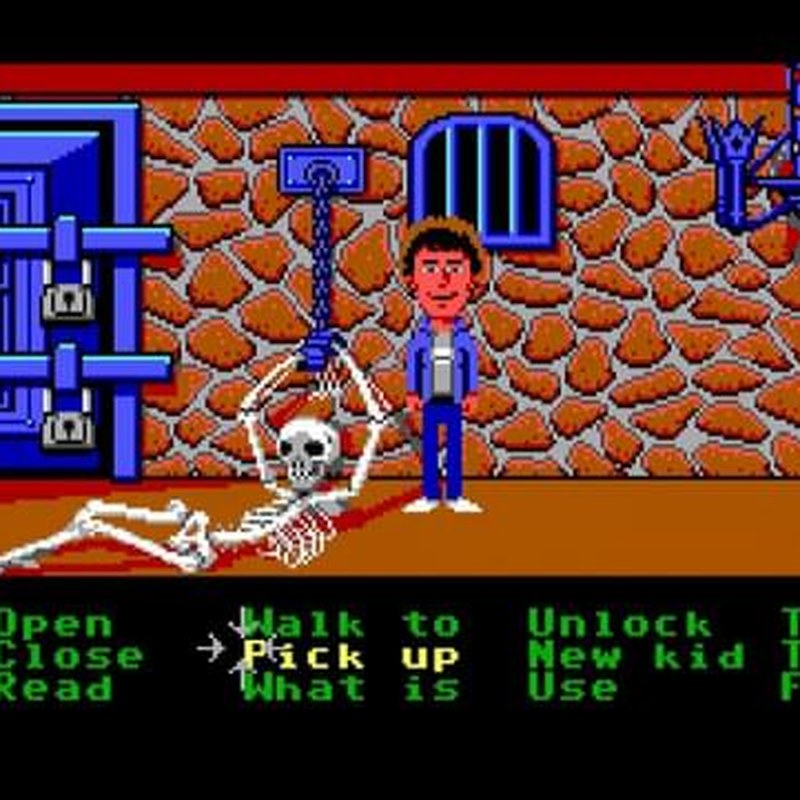
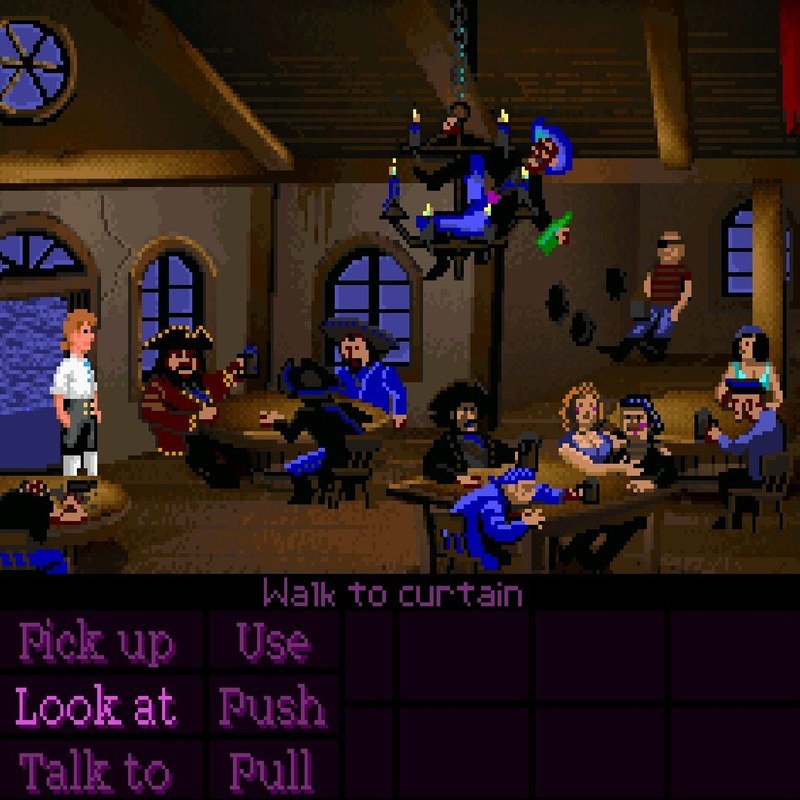
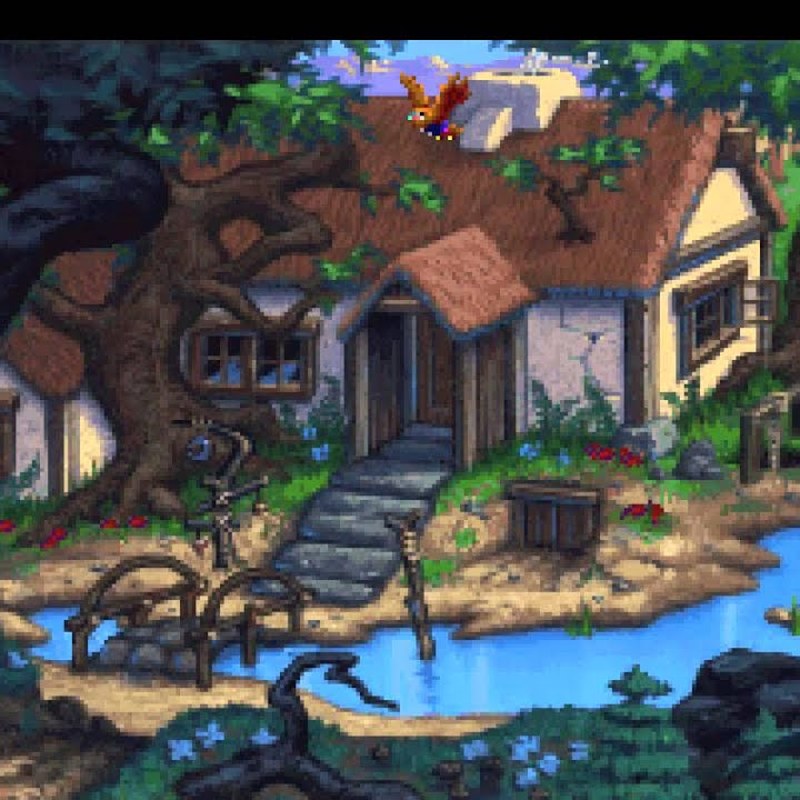
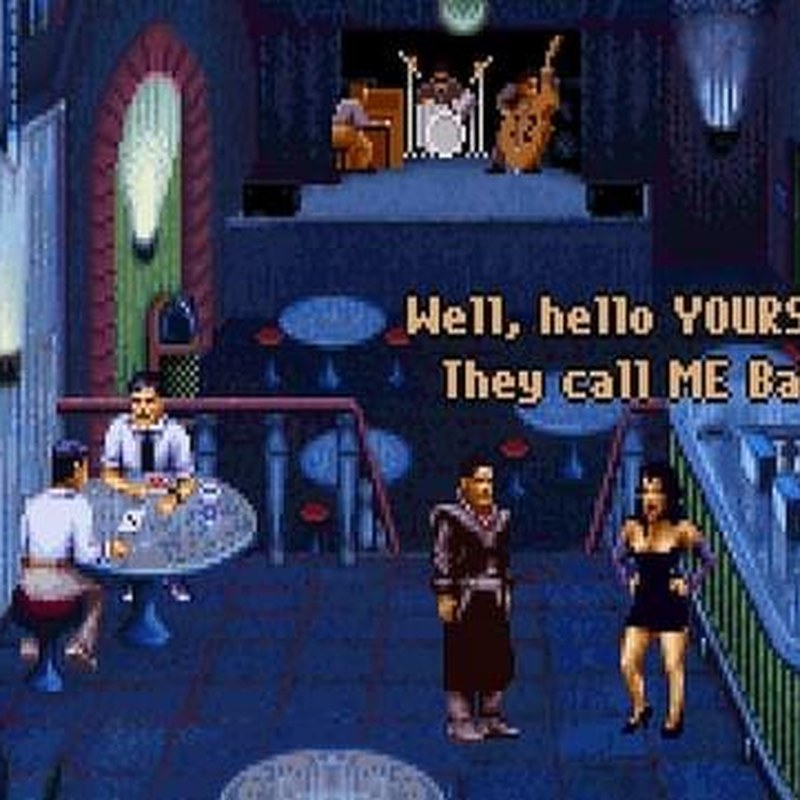
Today, RockVine Games builds on that legacy. We create experiences that reflect the spirit of those formative years — combining thoughtful design, strong atmosphere, and a deep respect for storytelling.
Our goal is simple: to craft games that feel meaningful, memorable, and worth getting lost in.
Our Stance on AI in Games
“Whatever you now find weird, ugly, uncomfortable and nasty about a new medium will surely become its signature.”
Brian Eno, A Year with Swollen Appendices (1996)
To explain where we stand, it helps to go back in time. At the end of the 1970s, electronic music was beginning to gain prominence with the arrival of the first affordable synthesizers and drum machines. For artists, this was a revolution — a new palette, new productivity, new ways to express ideas that simply weren’t reachable before. For others, it was an outrage. The idea that a drum machine could lay down a beat in minutes, or that a synthesizer could imitate a full string section (however primitive it sounded back then), felt like a threat to craft itself. The backlash was loud, organised, and sustained — unions ran years-long campaigns warning that machines would put session players out of work.
Decades later, electronic music is an established genre. And drummers, violinists and guitarists are still on stage — still recording, still touring, still expressing themselves. The synthesizer didn’t replace the human; it joined the human. What looked like a war over authenticity turned out to be the introduction of a new tool.
AI is a tool to express and amplify human creativity, just like synthesizers were back then. The key is to remember that it’s a tool.
AI engineers. Humans dream.
At RockVine Games, we are obsessed with recreating the magical stories, moments, music and visuals of the 80s and 90s. We use AI as a tool to tap into and extract the essence of those times, while letting us build our dreams in a sustainable way. We refuse to be a tool of AI — we embrace it as one part of our toolkit, alongside the things only humans bring: our vision, our lived experience, our taste, and our ambition to create magical retro experiences.
And our promise is simple:
To preserve the authenticity of every story we tell.